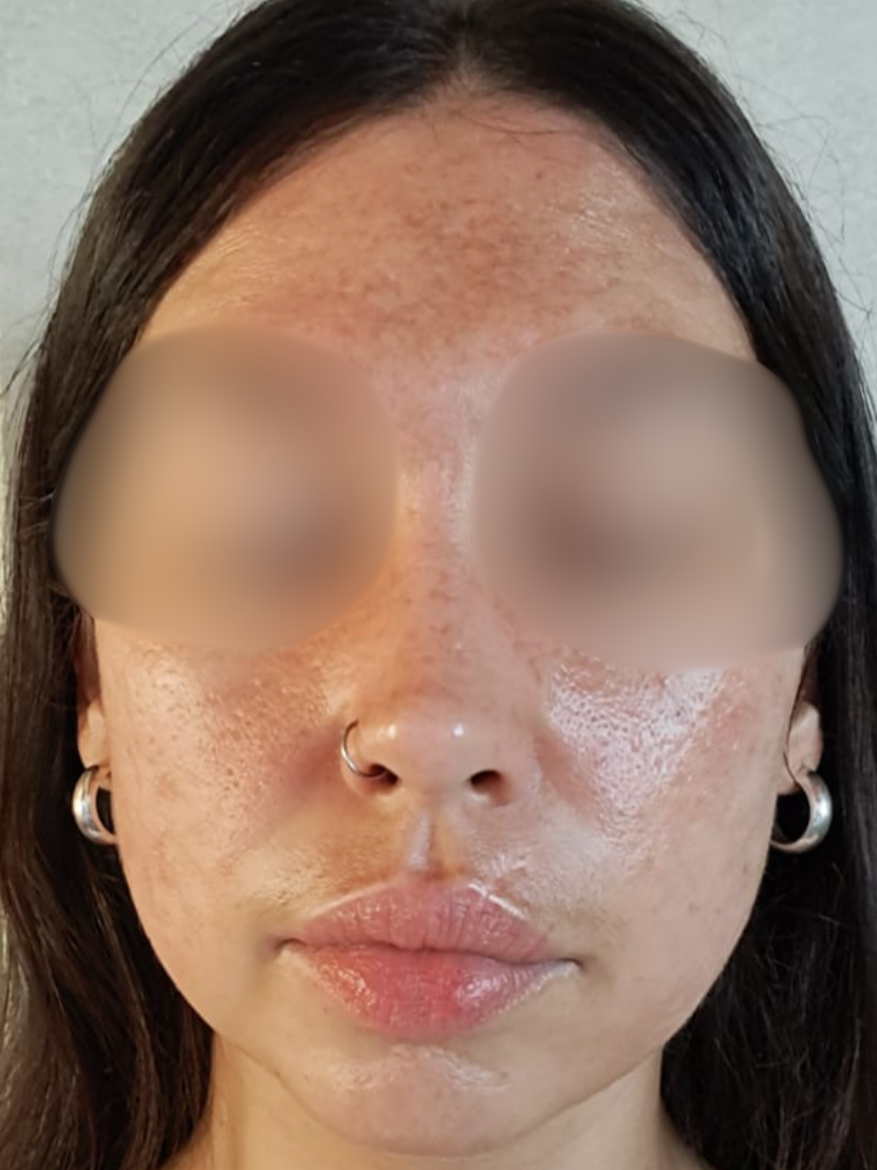

Your skin works hard to protect you, but it can become dull, uneven, or marked by imperfections over time. If you have been searching for a way to refresh and rejuvenate your appearance, chemical peels may offer the necessary solution. By gently exfoliating the outer layer of your skin, this treatment encourages cell renewal and promotes a smoother, brighter complexion.
Chemical peels can be tailored to your needs, whether you want to reduce fine lines, improve skin texture, or address discolouration.
What Are Chemical Peels, and How Do They Work?
Chemical peels are professional treatments designed to exfoliate and resurface your skin using a carefully selected solution. The process removes dead skin cells, stimulates collagen production, and encourages the growth of new, healthy skin. Depending on your goals, our skin doctors may recommend one of three types of chemical peels:
- Superficial Peels: Gentle peels that target the outermost layer of skin. Ideal for mild discolouration and improving texture.
- Medium Peels: These penetrate deeper into the skin, addressing issues like wrinkles, acne scars, and uneven tone.
- Deep Peels: A more intensive option for significant concerns, such as deep wrinkles or extensive sun damage.
Each type of peel works differently but has a common goal: helping you achieve a radiant, refreshed complexion.
Who Can Benefit from Chemical Peels?
Chemical peels are versatile and can address a variety of skin concerns. You might consider this treatment if you are dealing with:
- Fine lines and wrinkles: Smooth out the appearance of ageing skin.
- Sun damage: Improve areas of discolouration or uneven tone caused by UV exposure.
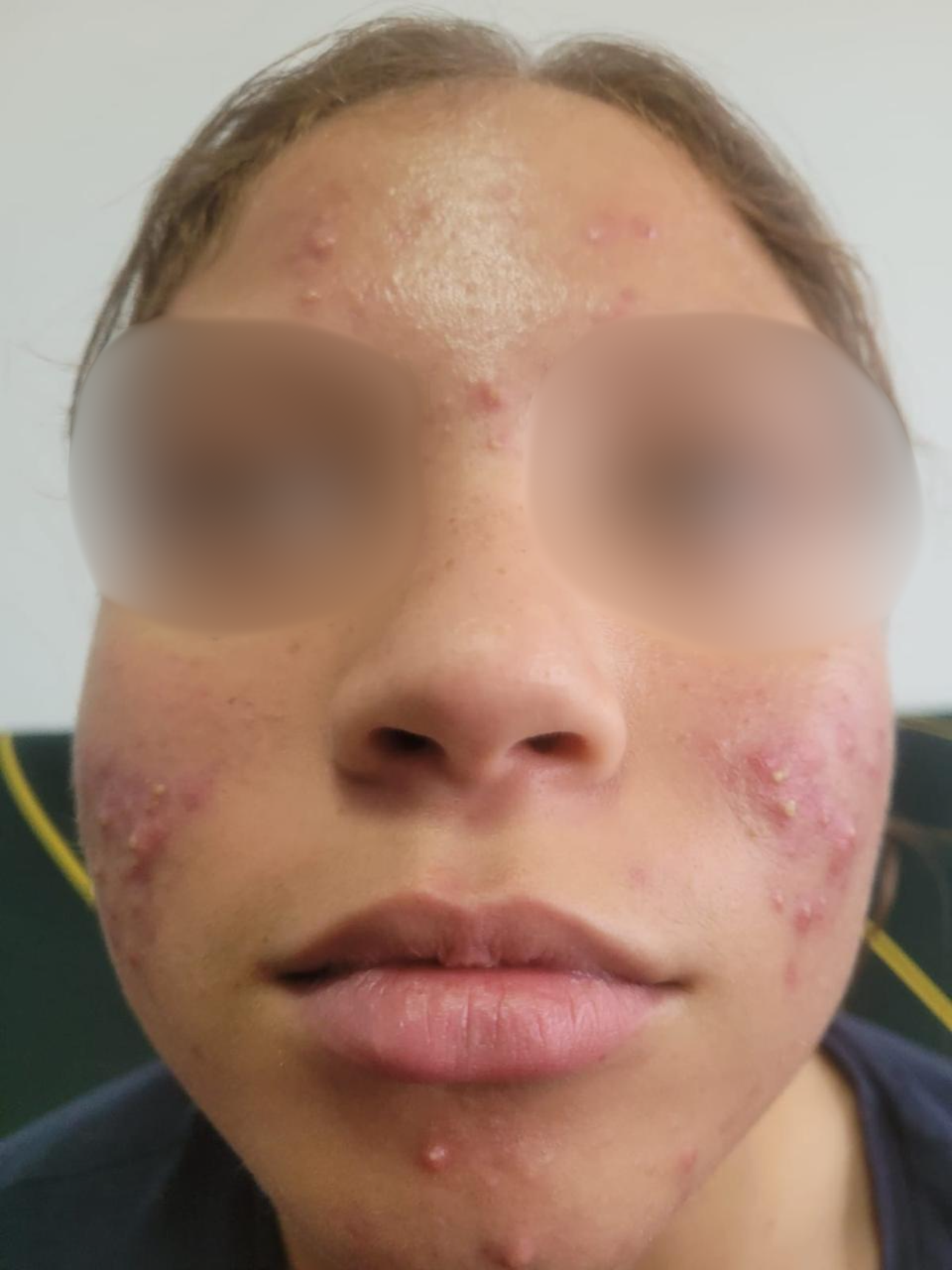
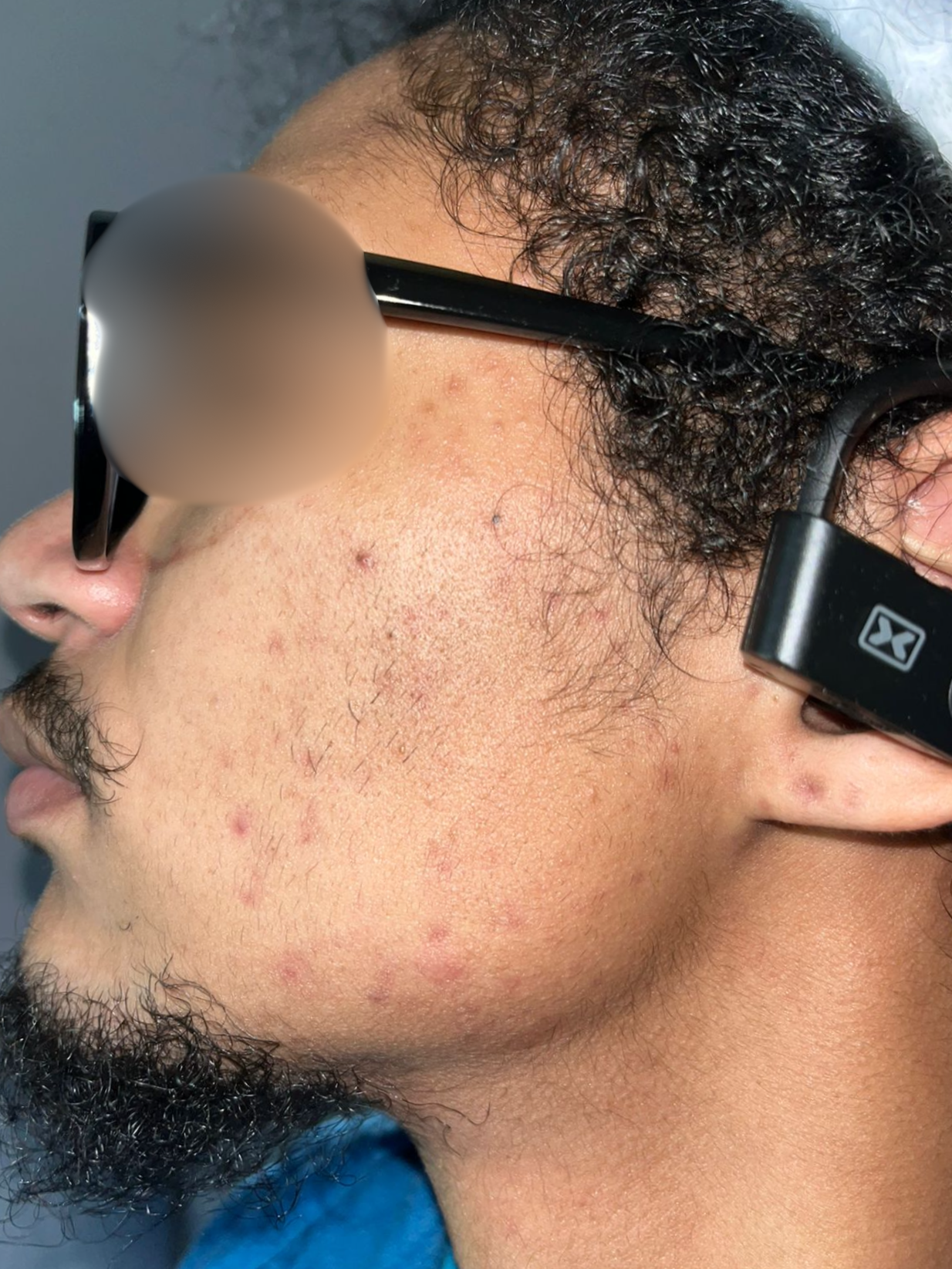
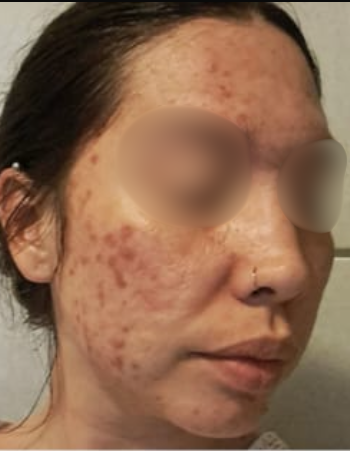
- Acne and acne scars: Reduce active breakouts and soften the appearance of scarring.
- Hyperpigmentation: Address dark spots, melasma, or other pigmentation issues.
- Rough texture: Improve skin smoothness and clarity.
A consultation at our Cape Town dermatology practice can help determine whether chemical peels are correct.
What Happens During a Chemical Peel?
The procedure is straightforward and usually takes less than an hour. Here is what you can expect:
- Preparation: Your skin will be cleansed to remove makeup, dirt, and oil.
- Application: The chemical solution will be applied evenly to your skin. You might feel a mild tingling or warming sensation as the peel works.
- Neutralisation: Depending on the type of peel, the solution may be neutralised and removed or self-neutralised.
- Aftercare: Your medical professional will provide specific instructions on caring for your skin in the days following the treatment.
The experience is designed to be as comfortable and practical as possible, and results will be visible in the weeks following your appointment.
How Should You Care for Your Skin After a Chemical Peel?
Post-treatment care is essential for achieving the best results and protecting your skin as it heals. Here are some general tips:
- Avoid Sun Exposure: Your skin will be more sensitive to UV rays, so apply sunscreen and limit time outdoors.
- Moisturise Regularly: Keep your skin hydrated with a gentle, fragrance-free moisturiser.
- Do Not Pick or Peel: Let your skin shed naturally to avoid irritation or scarring.
- Use Gentle Products: Avoid harsh cleansers, exfoliants, or retinoids until your skin has fully healed.
- Follow Your Medical Professional’s Advice: Adhering to professional guidance ensures optimal recovery and results.
If you experience redness or sensitivity, do not worry—this is a normal part of the healing process. Your skin doctor will be available to answer any questions or address concerns.
How Many Treatments Will You Need?
The number of chemical peels you need depends on your skin type, concerns, and goals. For some, a single peel provides noticeable results, while others may benefit from a series of treatments spaced several weeks apart. Our medical professionals can help design a plan tailored to your needs, ensuring the best possible outcome.
Why Choose a Cape Town dermatology for Chemical Peels?
Choosing the right provider is crucial for safe and effective treatment. A Cape Town dermatology practice brings a deep understanding of local environmental factors, such as sun exposure, that can impact your skin. They can customise the type and strength of the peel to match your skin’s unique requirements.
If you are looking for chemical peels in Cape Town, working with one of our experienced skin doctors ensures you receive professional care tailored to your goals.
Are There Alternatives to Chemical Peels?
While chemical peels are a powerful tool, they are not the only option for improving your skin. Other treatments, such as microneedling or laser therapy, may also be effective. During your consultation, your medical professional will explain all available options, helping you make an informed choice.
What Should You Do Next?
Booking a consultation is the first step in rejuvenating your skin and enhancing your confidence. During your dermatology consultation, we will assess your skin, discuss your goals, and recommend the best type of peel for you.
With proper care and expert guidance, chemical peels can help you achieve smoother, brighter, healthier skin. Take the next step by scheduling an appointment at our Cape Town dermatology practice today.
Your skin deserves attention and care. Let chemical peels bring out their best so you can feel confident daily.