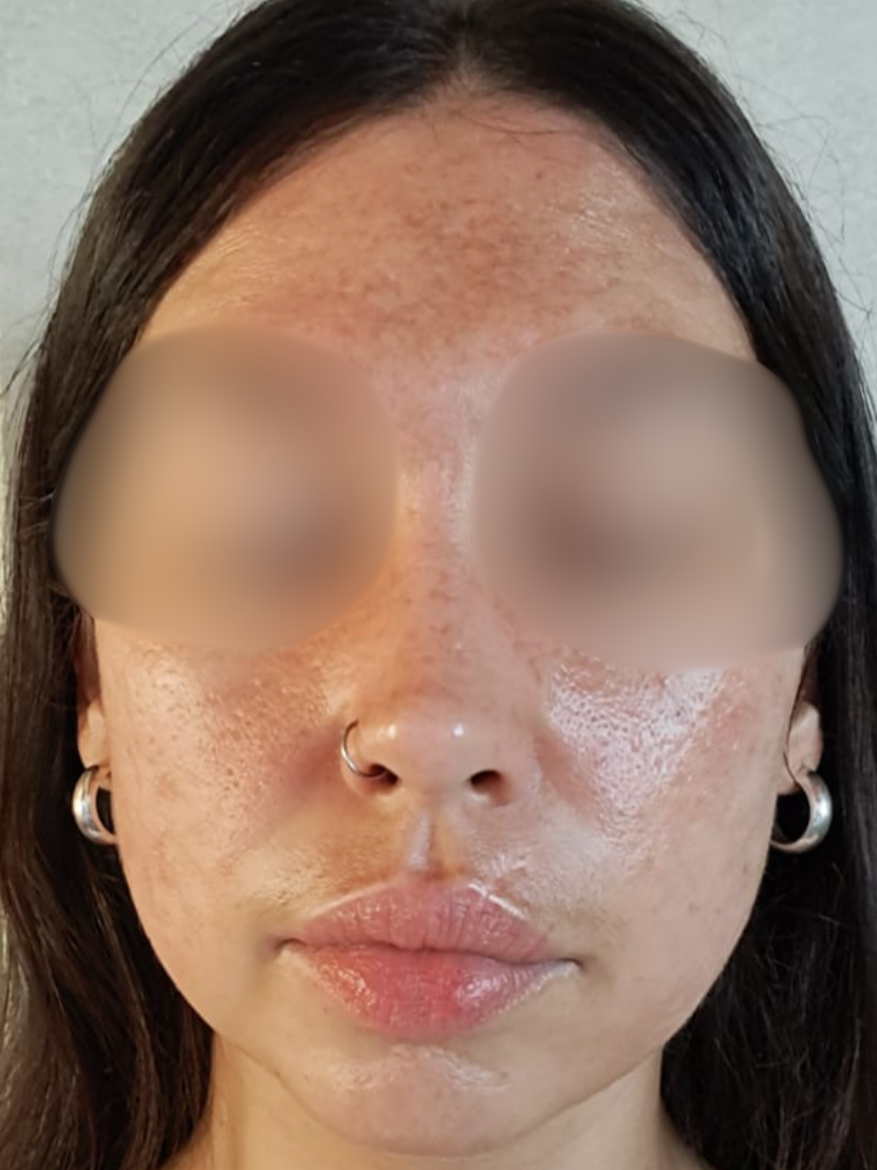

General Dermatology Care
Healthy skin can uplift your mood. It can also protect you from irritation, infection, and unwanted discomfort. If you have ever had a stubborn rash or a changing mole, you know how unsettling skin concerns can be. Whether you have tried home remedies or have been scanning the internet for dermatology near you, you likely want clear information and practical guidance. Our general dermatology service aims to do just that.
Here, you will find answers to common questions about seeing a skin doctor and tips to help you care for your skin. You will also discover how working with a medical professional might offer personalised solutions.
What Does Dermatology Do?
Dermatology is used to evaluate and manage a wide range of skin conditions. This includes common concerns such as acne, eczema, psoriasis, and more specialised issues like suspicious moles and persistent rashes. Dermatology may also help with:
- Routine skin checks: Preventive examinations to spot early warning signs of conditions like skin cancer
- Medical treatments: Prescriptions for topical creams, oral medications, or specific therapies
- Lifestyle guidance: Advice on skin care routines, diet, and sun protection
When Should You Consider Visiting a dermatology Practice in Cape Town?
Skin changes can happen gradually, or they can appear suddenly. Certain signs suggest it might be time to schedule an appointment at our Cape Town practice:
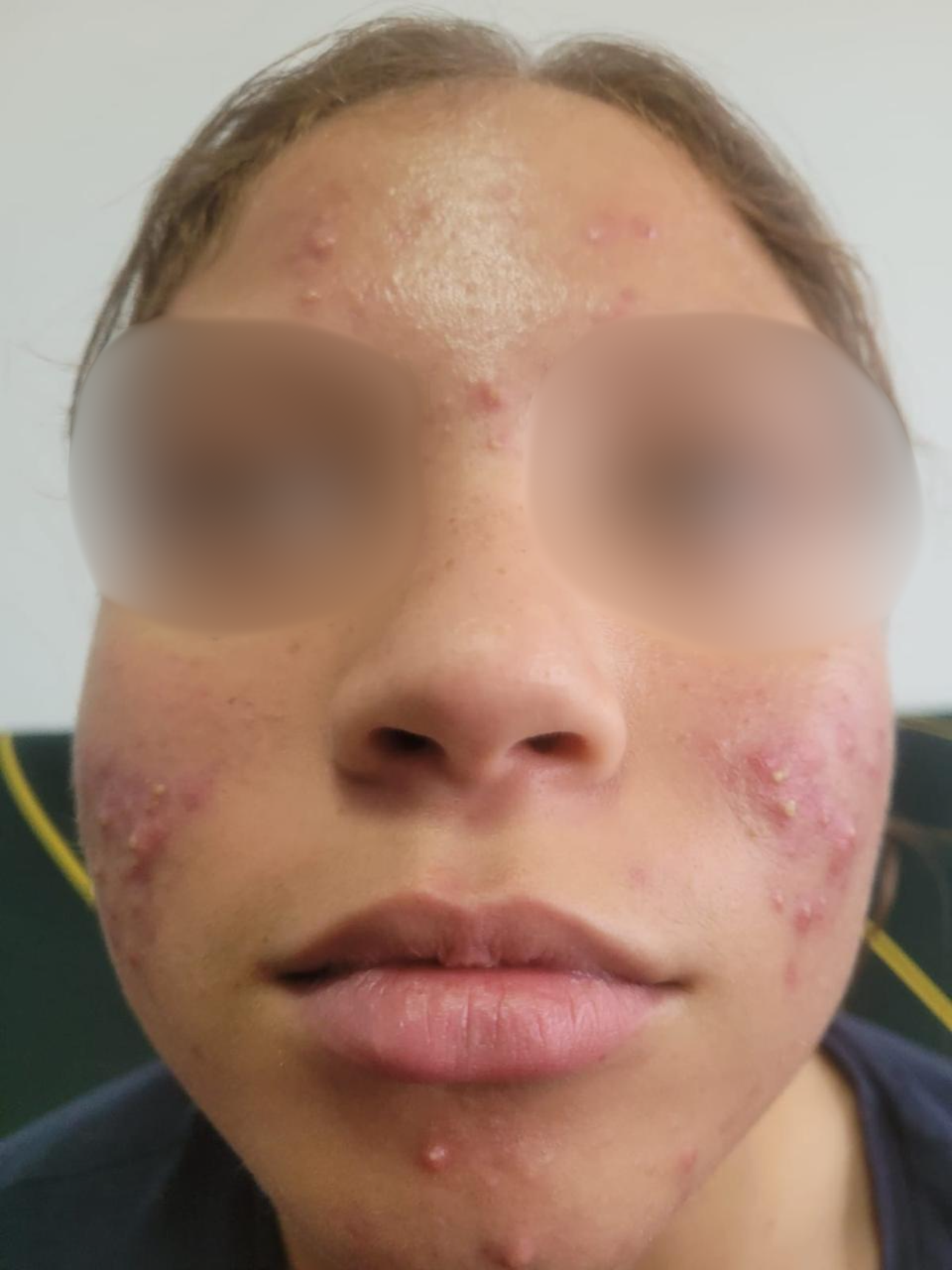
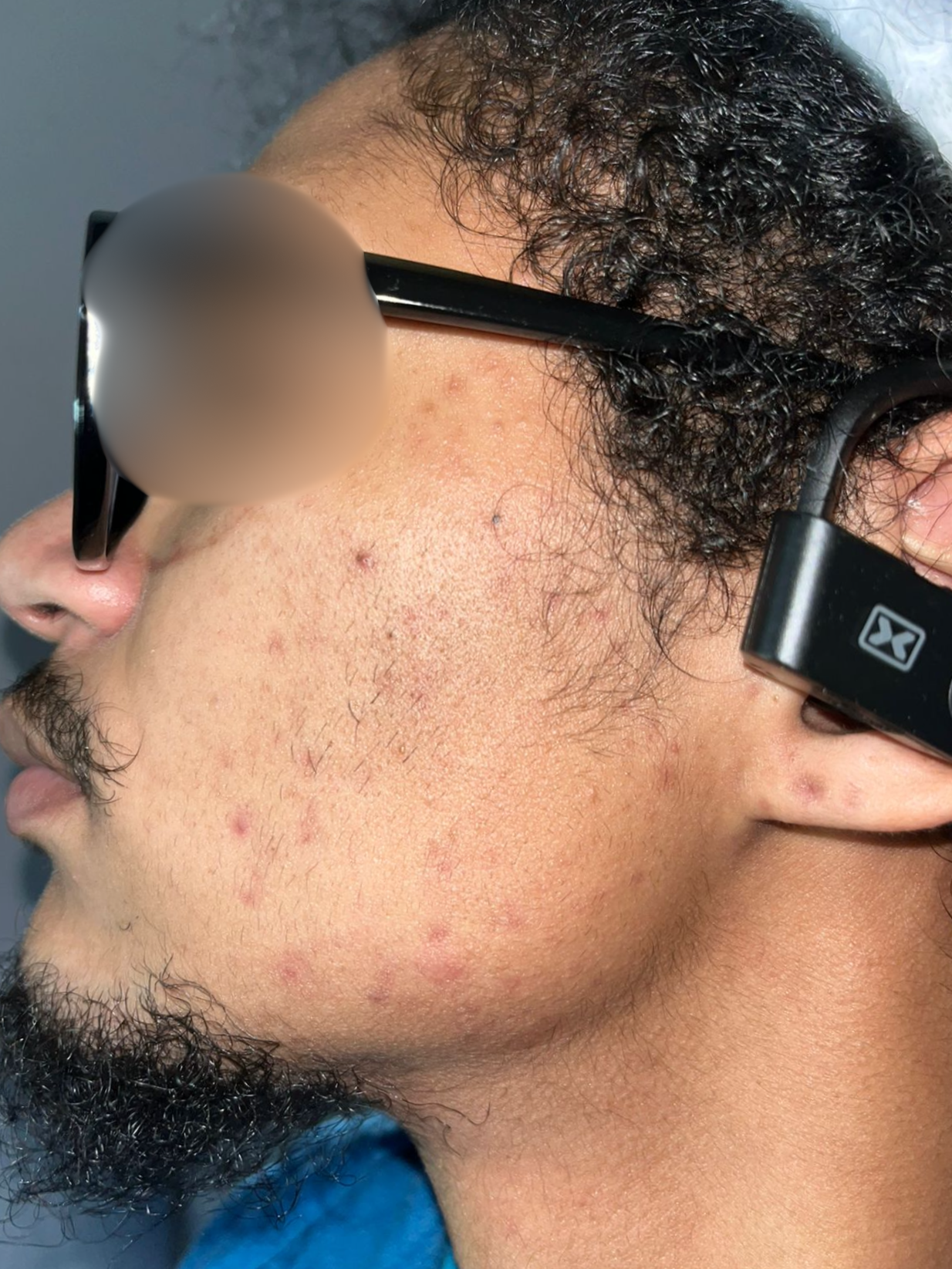
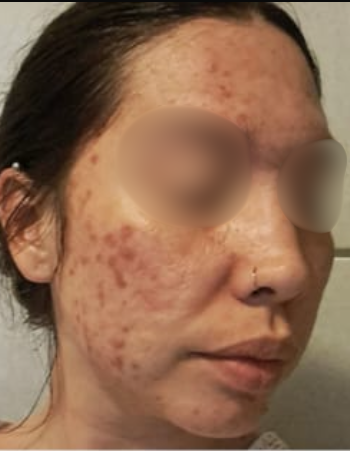
- Persistent Acne: You have tried several over-the-counter products, but breakouts remain.
- Chronic Itching or Redness: Your symptoms do not improve with basic skincare approaches.
- Changing Moles: Any shift in size, colour, or shape can be significant.
- Unusual Rashes: They are painful or keep returning without a clear cause.
- Hair and Scalp Issues: Excessive hair loss or flaky patches on the scalp may medical care.
- Nail Problems: Thickening, discolouration, or chronic infections can indicate underlying concerns.
If any of these issues sound familiar, you may find reassurance in scheduling a general skin appointment so one of our doctors can provide a thorough assessment and targeted solutions.
How Can You Protect and Nurture Your Skin at Home?
There are many everyday steps you can take to keep your skin feeling and looking good. Small adjustments can lead to significant improvements. Here are a few ideas:
- Choose Gentle Products: Fragrance-free cleansers and moisturisers are often beneficial.
- Stay Hydrated: Drinking enough water each day can support skin health.
- Use Sun Protection: Apply a broad-spectrum sunscreen of at least SPF 30, wear protective clothing, and limit direct sun exposure when UV rays peak.
- Clean Makeup Tools: Brushes and sponges can harbour bacteria if left unwashed for too long.
- Monitor Changes: Monitor moles and spots to detect issues early.
If these measures do not resolve your concerns, it might be time to seek professional advice. Even if you do not have a major problem, a short visit to a doctor can provide extra insight.
What Happens During Your First Dermatology Appointment?
The thought of visiting a doctor can feel unsettling. In general dermatology, your initial appointment often involves:
- Discussion of Your Concerns: You can describe any symptoms you have noticed, such as changes in texture or colour.
- Physical Examination: The dermatology examination may examine specific areas or perform a full skin check, depending on your needs.
- Possible Diagnostic Tests: This might include a skin scraping, biopsy, or other tests to pinpoint the cause of a condition.
- Treatment Planning: The plan may involve topical medications, oral prescriptions, or procedures.
- Lifestyle Suggestions: Guidance can cover diet, skincare routines, or sun safety strategies that align with your routine.
Many people feel relieved after discussing their concerns face-to-face. Booking a general dermatology appointment can help you understand the underlying reason for your symptoms and the best path forward.
Are There Any Specific Conditions You Should Address Soon?
Some skin issues require prompt attention. If you notice a mole that changes colour, edges, or texture, book a Mole assessment appointment with us. Moles can sometimes develop into skin cancer, so it is vital to catch possible warning signs early.
Other problems, such as sudden or severe acne flare-ups, suggest hormonal changes or sensitivities that require immediate care. Rashes that persist or spread also benefit from prompt evaluation. Early assessment and treatment usually help prevent more complicated interventions later.
Can Dermatology check ups Improve Your Long-term Skin Health?
Regular check-ins can catch problems before they become more serious. By spotting early changes, you can learn the best ways to care for your skin.
How Can You Take the Next Step?
If you have been curious about a rash, worried about a changing spot, or simply interested in maintaining your skin’s health, seeking help from a skin doctor is a constructive move. A detailed conversation and a thorough examination can help you feel confident in your skincare plan.
In summary:
- A skin appointment looks after a wide range of skin conditions.
- Early evaluation can be key for issues like suspicious moles or persistent rashes.
- Daily habits, such as wearing sunscreen and staying hydrated, matter.
- Home remedies may not be enough if symptoms persist or worsen.
- Checking in with a local Cape Town practice that offers Dermatology offers targeted guidance.
Your skin is unique and deserves thoughtful care. Take an active step toward healthier skin by scheduling an appointment. A simple consultation may be all you need to address lingering questions and feel more at ease in your own skin.