
Are you struggling with excessive sweating that interferes with your daily life? Hyperhidrosis can impact your confidence and comfort, making simple tasks feel overwhelming. At DermDoctors, you can access effective treatments tailored to your needs. Understanding your condition and the available solutions empowers you to take control and improve your quality of life.
Explore the answers to common questions about hyperhidrosis, learn how to prepare for your treatment, and discover what to expect before, during, and after your procedure.
What is Hyperhidrosis?
Hyperhidrosis is a medical condition characterised by excessive sweating beyond what is necessary to regulate body temperature. This condition can affect various body parts, including the hands, feet, underarms, and face. While sweating is natural, hyperhidrosis can lead to discomfort, embarrassment, and interference with daily activities.
Common areas affected by hyperhidrosis include:
- Hands (Palmar Hyperhidrosis)
- Feet (Plantar Hyperhidrosis)
- Underarms (Axillary Hyperhidrosis)
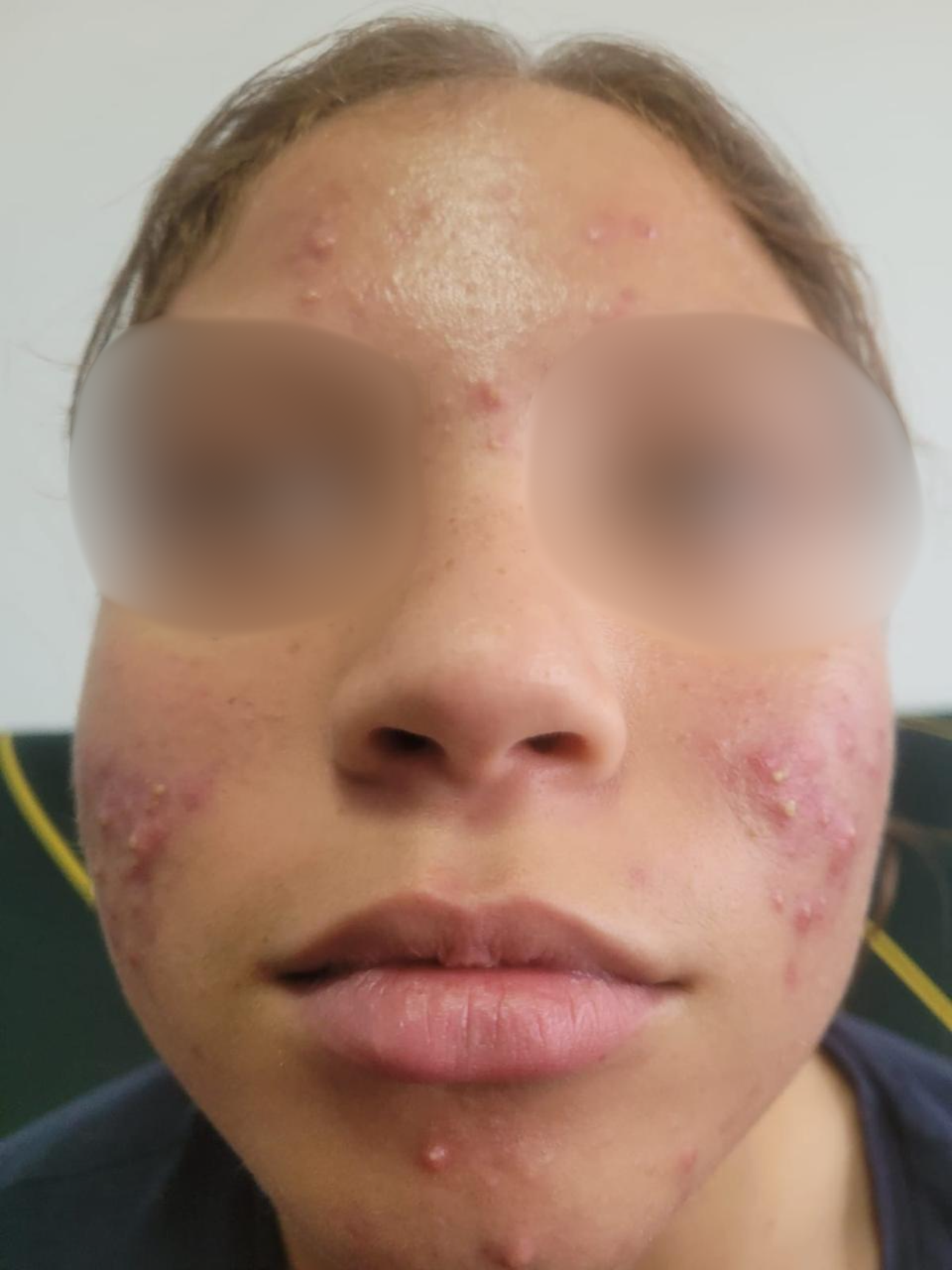
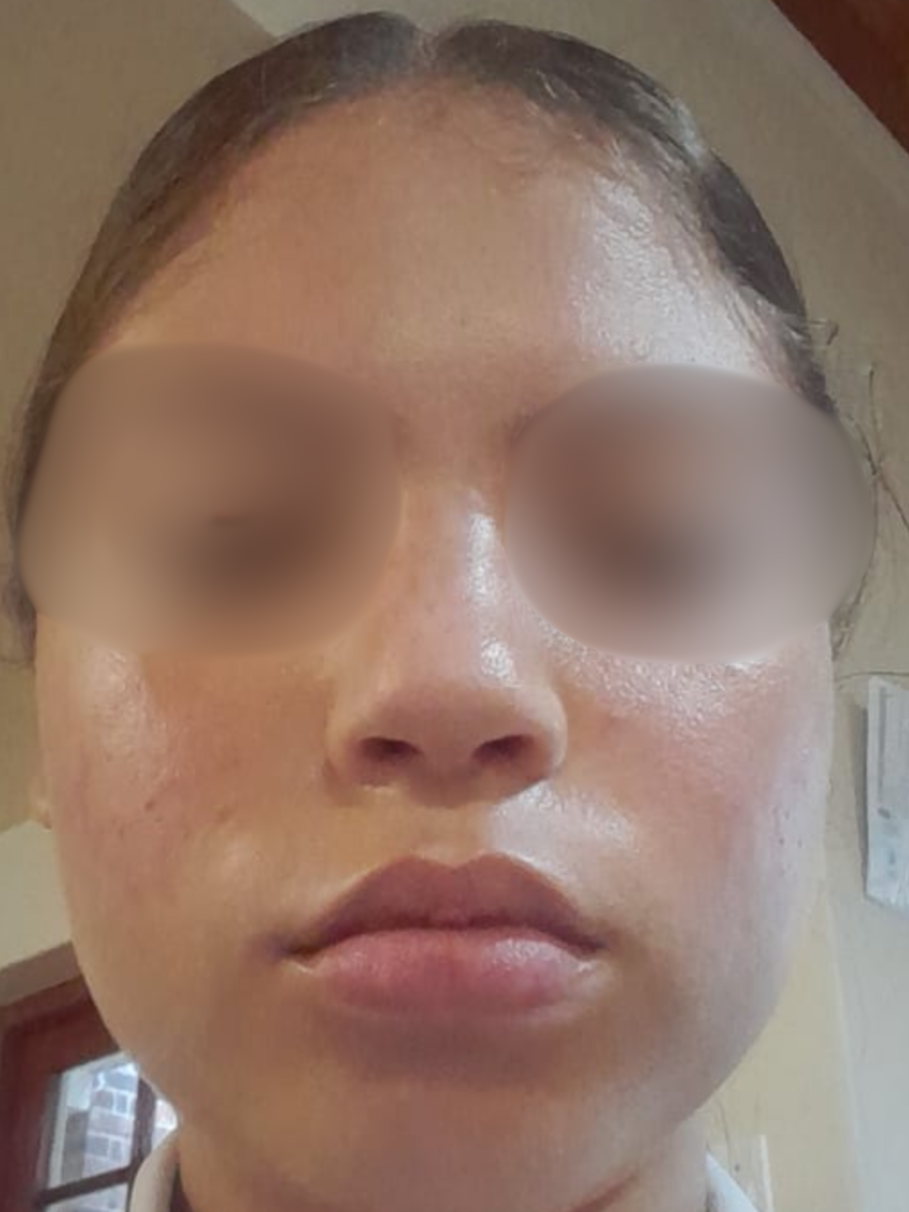
- Face (Facial Hyperhidrosis)
A doctor can diagnose hyperhidrosis and recommend appropriate treatments based on the severity and location of your symptoms.
Why Should You Seek Treatment for Hyperhidrosis?
Excessive sweating can have a significant impact on your personal and professional life. It may cause:
- Social anxiety and embarrassment
- Difficulty performing tasks such as writing, typing, or shaking hands
- Problems with footwear and footwear-related discomfort
- Staining of clothing and personal belongings
Addressing hyperhidrosis can help you regain confidence and improve your overall well-being. Treatments range from topical solutions to advanced procedures, ensuring you find a solution that fits your lifestyle and medical needs.
How is Hyperhidrosis Diagnosed?
Diagnosing hyperhidrosis involves a thorough evaluation by a dermatology specialist. The process typically includes:
- Medical History Review
Discuss your symptoms, their frequency, and any potential triggers. Your skin doctor will inquire about your personal and family medical history. - Physical Examination
A detailed examination of the areas affected by excessive sweating will help determine the extent of hyperhidrosis. - Diagnostic Tests (If Necessary)
In some cases, tests such as the starch-iodine test or sweat gland analysis may be conducted to confirm the diagnosis.
Accurate diagnosis is crucial for developing an effective treatment plan tailored to your condition.
What Treatment Options Are Available?
DermDoctors offers a range of treatments for hyperhidrosis, each designed to target the underlying causes and provide long-lasting relief. Treatment options include:
- Topical Treatments: Prescription-strength antiperspirants can help reduce sweating in affected areas.
- Oral Medications: Medications that reduce overall sweating can be prescribed for more widespread hyperhidrosis.
- Muscle Relaxing Injections: These injections temporarily block the nerves that stimulate sweat glands, providing relief for several months.
- Lontophoresis: This non-invasive procedure uses electrical currents to reduce sweating and is particularly effective for hands and feet.
- Surgical Options: In severe cases, surgical intervention such as sympathectomy may be considered to disrupt the nerve signals responsible for excessive sweating.
Your doctor will discuss the best treatment options based on your specific needs and the severity of your condition.
How Should You Prepare for Your Treatment?
Preparing for hyperhidrosis treatment ensures a smooth and practical experience. Here are some steps to take:
- Consultation Appointment
Schedule a consultation to discuss your symptoms and treatment options. - Medical History Disclosure
Provide comprehensive information about your medical history, including any medications or allergies. - Follow Pre-Treatment Instructions
Depending on the treatment, you may need to avoid certain products or medications before your procedure. - Plan for Recovery (If Applicable)
Some treatments may require downtime. Arrange for transportation or assistance if needed.
Proper preparation helps maximise the effectiveness of your treatment and reduces the risk of complications.
What are the Treatment options?
The treatment process varies depending on the chosen method. Here is what you can expect:
- Topical and Oral Treatments: Applying or taking simple treatments involves minimal preparation and can be integrated into your daily routine.
- Muscle Relaxing Injections: A doctor can inject small amounts of a muscle freezing agent into the affected areas. The procedure is relatively quick and involves minimal discomfort.
- Lontophoresis: During the session, you will place your hands or feet in a water bath while applying a mild electrical current. Sessions typically last about 20 minutes.
- Microwave Therapy: A specialised device that targets sweat glands with microwave energy, usually requiring one or more sessions.
- Surgical Options: These are more invasive and involve a recovery period. Your medical professional will explain the surgical process, risks, and benefits.
Some of these treatments are administered at our practice, for treatments we do not offer, you will be referred to a specialist.
What Can You Expect After Treatment?
Post-treatment care is essential for achieving the best results. Depending on the treatment, you may experience:
- Topical and Oral Treatments: Minimal side effects, but it is essential to follow usage instructions carefully.
- Muscle Relaxing Injections: Possible temporary side effects include mild pain, swelling, or bruising at the injection site.
- Lontophoresis: Some temporary skin irritation may occur, but usually resolves quickly.
- Microwave Therapy: Temporary redness or swelling may occur, typically subsiding within a few hours.
- Surgical Options: Recovery may involve managing pain, avoiding certain activities, and following post-operative care instructions to ensure proper healing.
Your treating doctor will provide detailed aftercare instructions to support your recovery and optimise treatment outcomes.
How Can You Manage Hyperhidrosis at Home?
In addition to professional treatments, specific lifestyle changes can help manage hyperhidrosis:
- Use Antiperspirants Regularly: Apply antiperspirants to affected areas daily.
- Wear Breathable Clothing: Choose fabrics that allow your skin to breathe and reduce sweating.
- Maintain Good Hygiene: Regular bathing and keeping the skin dry can help minimise sweating.
- Manage Stress: Stress can exacerbate hyperhidrosis, so incorporating relaxation techniques can be beneficial.
- Stay Hydrated: Proper hydration helps regulate body temperature and reduce excessive sweating.
Implementing these strategies can complement your treatment plan and enhance overall effectiveness.
Where Can You Find Care in Cape Town?
If you are looking for Excessive sweating treatment in Cape Town, book with us. Our team is dedicated to providing personalised treatment plans that address your unique needs.
Whether you are experiencing excessive sweating on your hands, feet, underarms, or elsewhere, we have the expertise to help you find relief.
How Can You Get Started Today?
Taking the first step toward managing hyperhidrosis is easy. Schedule a consultation with us at DermDoctors in Cape Town. Prepare to discuss your symptoms, treatment preferences, and any concerns you may have. Our doctors are here to guide you through the process, ensuring you receive the care and support you need to regain control over your sweating and improve your quality of life.
Your journey to comfortable, confident living starts with a visit to DermDoctors. Do not let hyperhidrosis hold you back any longer. Contact us today to book your appointment and take the first step toward effective treatment.